
Office of the Deputy Mayor for Education
Students who miss a lot of school often face many challenges, both while in school and later in life.1, 2, 3 Starting in school year 2024-25, the Department of Human Services (DHS) launched the Truancy Reduction Pilot Program in several DC public and charter schools to help reduce chronic truancy. Among schools in the pilot, high school students with 15 or more unexcused full-day absences are referred to the program’s supportive case management. Together with DHS and the Office of the Deputy Mayor for Education (DME), we will study how the program works and whether it reduces truancy. The findings will help DHS and other District leaders make important decisions about how to improve and grow this program or other efforts to reduce chronic truancy.
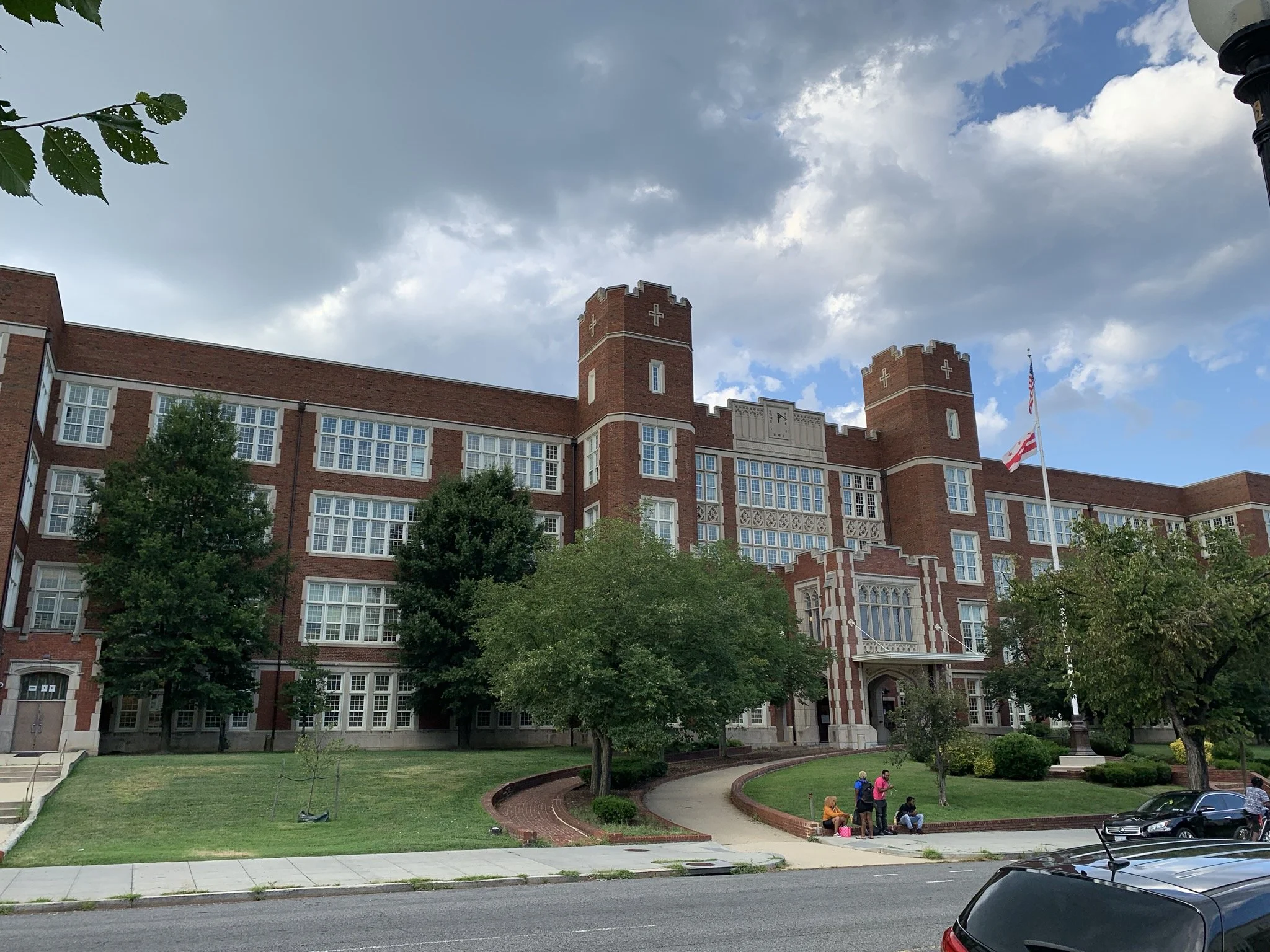
Exterior of one of the schools in the program, Eastern Senior High School (Photo credit: The Lab @ DC)
Why is this issue important in DC?
In school year 2024-25, more than 35% of all public and charter school students in the District were considered chronically truant.4 Among high school students, the rate was about 50% and, at some schools, it was as high as 80%.5 Consistently missing school can harm a student’s academic performance, which can result in lower test scores or delayed graduation. It can also lead to inequities in health and economic outcomes later in life.
Typically, chronically truant high school students are referred to Family Court Social Services and the Office of the Attorney General. The Truancy Reduction Pilot offers an alternative that focuses on quickly identifying and addressing barriers to school attendance. This may include building life skills, advocating for the student in school, and helping with physical and mental health needs.
What are we doing?
First, we will speak with school administrators and DHS staff to understand students’ experiences in the program and beyond. Next, we will review school data before and after the pilot to see how it may have affected attendance and other important outcomes. If the program data allows, we will use quasi-experimental methods to estimate the program’s effects.
What have we learned?
In Year 2 of the program (school year 2025-26), ten schools were participating and over 1,000 referrals were made. Among the top reasons identified by the schools for students’ chronic truancy were illness, academic struggles, and behavioral struggles. However, there are many different reasons why students are truant, so case managers are providing a wide variety of interventions and supports to address them all.
What comes next?
We expect to share findings in late 2027 that will help DHS staff and DC policymakers decide how to continue the program and tweak how it is delivered.
2 Gottfried (2014)
3 Rocque et al. (2016)
4 The Office of the State Superintendent of Education defines chronic truancy as having at least 10 full- or partial-day unexcused absences during the school year. The pilot program flags students when they reach 15 unexcused absences.
5 District of Columbia Attendance Report School Year 2024-25 (2025)